
Human muscle-derived grafts for skeletal muscle repair and reconstruction.
Sarcogenics develops decellularized human skeletal muscle grafts designed to preserve the native extracellular matrix and structural characteristics of muscle tissue for use in skeletal muscle repair and reconstruction.
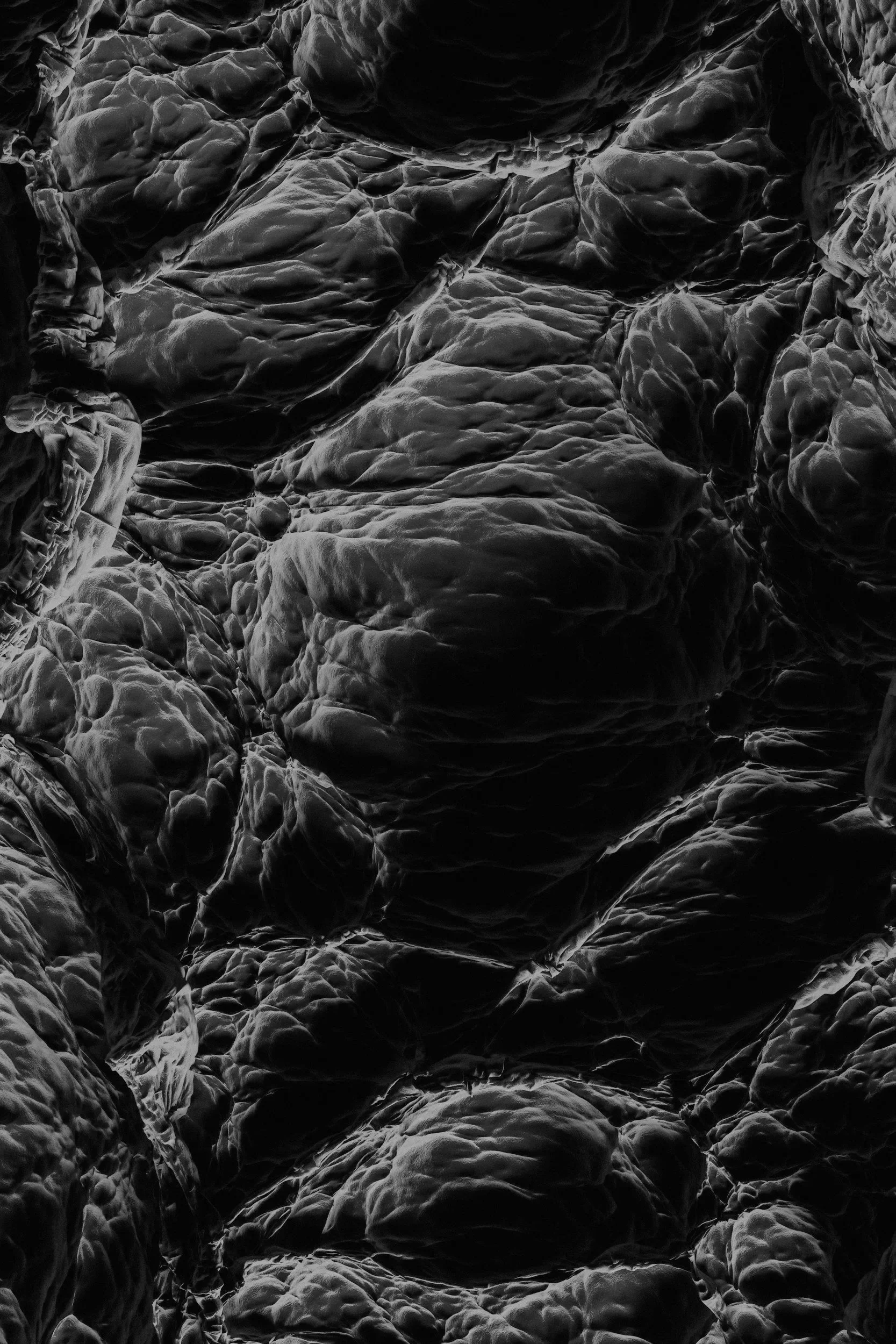
Advantages of the Decellularized Muscle Matrix
Our patent-pending Decellularized Muscle Matrix (DMM) preserves the native extracellular matrix architecture and structural characteristics of human skeletal muscle.
Muscle-Specific Architecture
Derived from human skeletal muscle, DMM preserves key components and structural characteristics of the native muscle extracellular matrix.

Made for Muscle Repair
Unlike generalized soft-tissue scaffolds, DMM is specifically for repair and reconstruction of skeletal muscle tissue.

Backed by Extensive Research
DMM is based on more than a decade of academic research at Virginia Commonwealth University evaluating the properties of muscle-derived extracellular matrices.

Sarcogenics Founder Michael McClure, Ph.D.
Our Research Plan
Sarcogenics is advancing our initial human muscle-derived graft toward commercialization while developing the tissue sourcing, processing, quality, and regulatory systems required for human tissue products.
How DMM Works
1
Remove cells while preserving structure
Donor skeletal muscle is carefully processed to remove cellular components while preserving the extracellular matrix and important structural characteristics of native muscle.
2
Preserve muscle-specific signals
The resulting graft retains the extracellular matrix composition and architecture characteristic of skeletal muscle tissue.
3
Repair muscle with muscle-derived tissue
DMM is designed for implantation at sites of skeletal muscle injury where a muscle-derived graft can provide tissue for repair, reconstruction, or replacement.
The Market Opportunity
Sarcogenics is developing human muscle-derived grafts for the repair and reconstruction of skeletal muscle tissue.
Initial Market: Military Trauma Treatment Facilities
Market Size: $7 billion
Annual Market Growth Rate: 6.7%
Initial Product Platform: Human skeletal muscle-derived DMM for repair and reconstruction of skeletal muscle tissue.
Separate Next-Generation Research: Sarcogenics is also conducting research on technologies outside the initial DMM product program, including neuromuscular integration and cell-enabled approaches.
Our Team
-
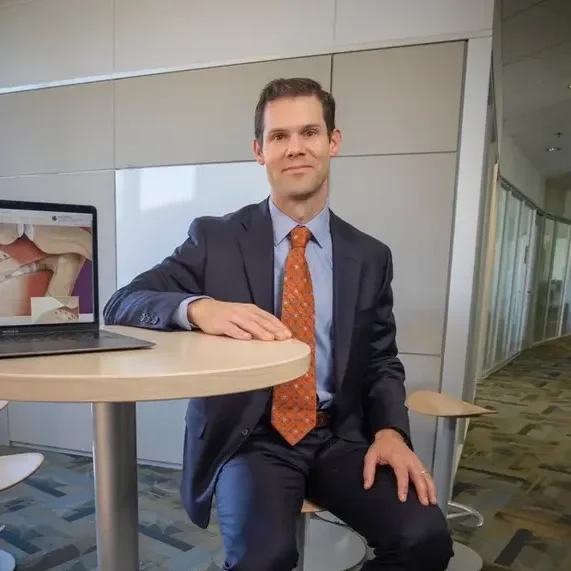
Michael J. McClure, Ph.D.
FOUNDER
-

Greg Merril
CEO
-

Geetanjali Bendale, Ph.D.
SCIENTIFIC ADVISER
-

Daniel Delgado
SCIENTIFIC ADVISER, PH.D. CANDIDATE
-

Seema Sood
BUSINESS ADVISER
-

Richard Pellegrino
BUSINESS ADVISER
-
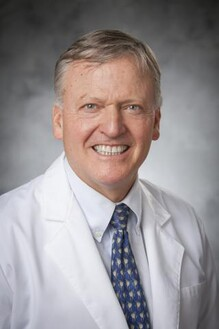
William Jeranek, M.D.
CLINICAL ADVISER
The Science
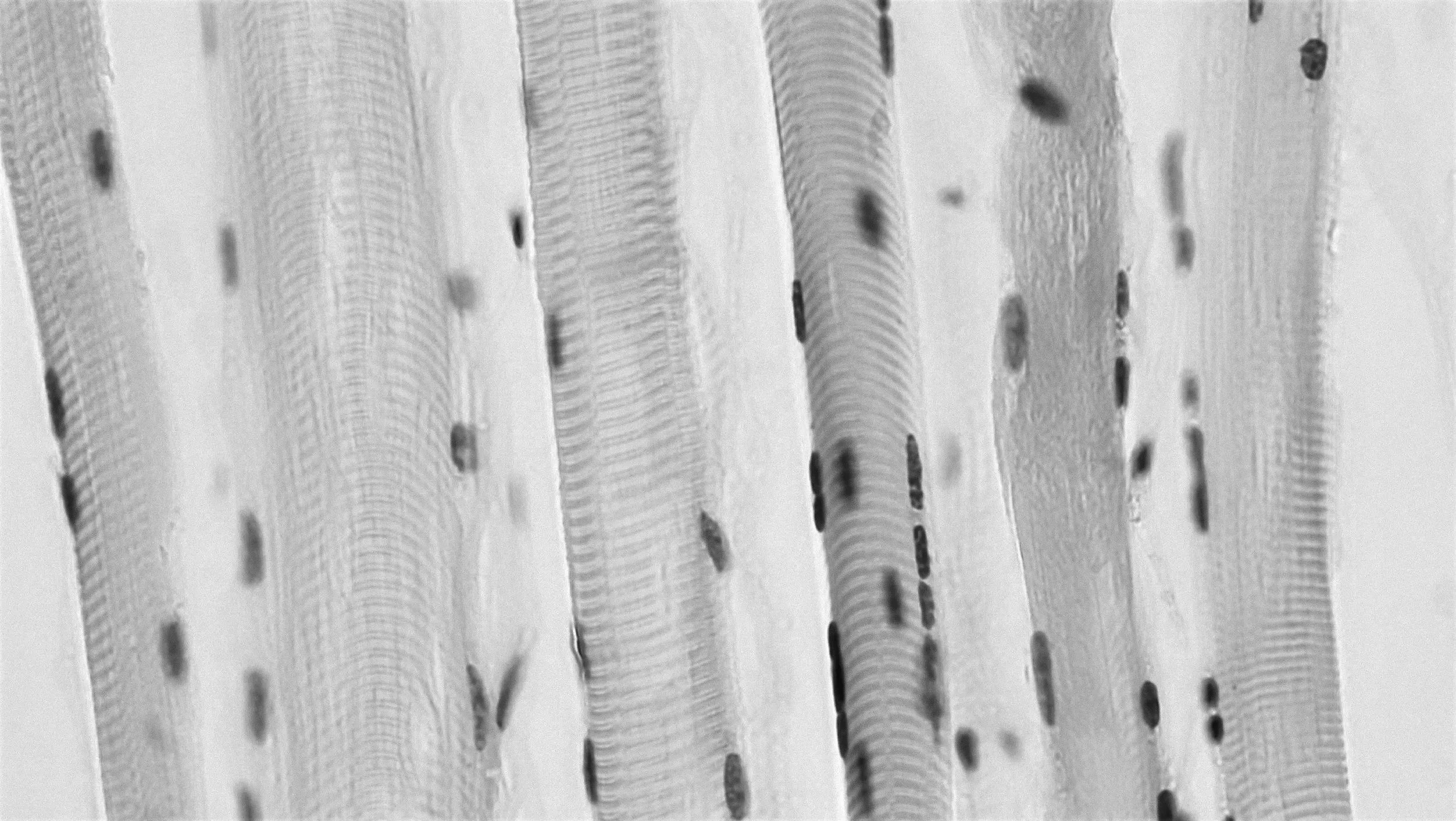
Sarcogenics' technology platform originated from research at Virginia Commonwealth University examining how the native extracellular matrix of skeletal muscle influences tissue repair. The company's initial product development program focuses on decellularized human skeletal muscle tissue for skeletal muscle repair and reconstruction.
Next-Generation Research
Parallel research programs are exploring nerve integration, cellular approaches, and other technologies that could ultimately expand the potential of muscle reconstruction.
Join us in transforming recovery from muscle injury.
Sarcogenics is advancing our science with a clear path to commercialization. Contact us to learn how you can join us on this journey.